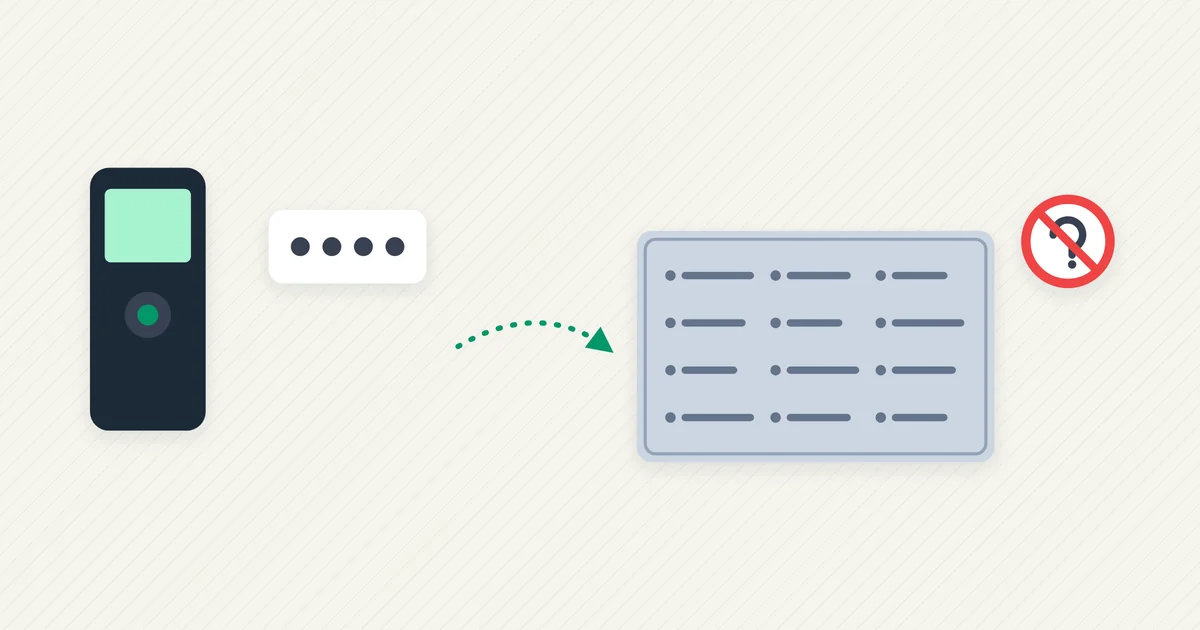
Family members can reach the crypto on a Ledger hardware wallet only with what the owner used: the device and its PIN, or the 24-word recovery phrase. If the owner set an optional passphrase, that is needed too. Ledger can't unlock a device or rebuild a wallet for the estate. If both the device and the phrase are gone, Ledger says the assets "would then have become inaccessible."
This guide is for families and executors. It is general information, not legal or tax advice.
What Ledger can and can't do after a death
A Ledger stores the keys on the device. The backup is the recovery phrase the owner wrote down at setup. Ledger doesn't keep a copy, so it has nothing to give an executor.
There is no deceased-customer process for Ledger devices, because the device isn't an account. A death certificate or court order doesn't change what Ledger can access. Ledger's own inheritance article says heirs need either the device and PIN or the seed phrase. It also points readers to multisignature services such as Casa, Unchained and Nunchuk for planning.
Be careful with the PIN. According to Ledger, three wrong PIN entries wipe the device. After that, only the recovery phrase can restore the wallet. Don't let anyone guess.
What the family needs
| Item | Why it matters | Where it might be |
|---|---|---|
| Recovery phrase (24 words) | Restores the wallet on a new or reset device | Paper card or metal plate in a safe, bank box, with the will, or with a trusted person |
| Ledger device plus PIN | Opens the wallet without the phrase | Desk, safe or travel bag; PIN in notes or a letter of instruction |
| Passphrase, if set | Opens a separate hidden wallet; the right 24 words alone show a different, possibly empty wallet | Stored apart from the phrase, often in a letter or with a lawyer |
| Ledger Live on a computer or phone | Shows which accounts and coins exist | The owner's devices |
For how these pieces fit together, see PIN, seed phrase and passphrase explained. If the phrase can't be found, see what to do when the seed phrase is missing.
Ledger Recover is not an inheritance route
Ledger Recover is an opt-in paid service, listed at $9.99 a month. According to Ledger, it encrypts the seed, splits it into three pieces, and gives them to Coincover, Ledger and Escrowtech. To restore, the subscriber passes identity checks with an ID document and a selfie.
Those checks are built around the subscriber. The Ledger Recover terms don't mention death or heirs, and they describe the licence as personal and non-transferable. So a family shouldn't plan on using it after a death. If you know the owner subscribed, the executor can ask Ledger directly what, if anything, applies, and should get legal advice before anyone tries to use the owner's identity or accounts.
Step by step for the family
- Secure the device and papers. Keep the Ledger, its box, and any cards or plates together and safe. Don't try PINs.
- Never type the phrase into a website. Ledger devices take the phrase on the device itself. A web form or app asking for the 24 words is a scam.
- Use a trusted technical helper. If a restore is needed, do it with someone you trust, using a genuine device and official software on a clean computer.
- Confirm the executor's authority. Funds should move only under the executor's or administrator's legal authority.
- Move funds to an estate-controlled wallet. Set up a new wallet with a new phrase controlled by the executor, then transfer.
- Record values for taxes. Write down each asset's value on the date of death and at transfer. See is inherited crypto taxable?
Beware of fake support
Ledger says it will never ask for your recovery phrase. Treat any message asking for the 24 words, remote access, or a "recovery" fee as fraud, whoever it claims to be.
Fake help pages are often hosted on free services such as sites.google.com or pages.dev. Reach support only by typing ledger.com yourself. See which wallet support numbers are real and our inheritance scam red flags.
If you use Ledger: make this easier for your family
- Write down where the recovery phrase backup is, not the words.
- Note whether you use a passphrase and how an authorized person can get it.
- Say where the device is and that three wrong PINs wipe it.
- Keep a letter of instruction and a digital asset inventory.
PingVaults can store instructions like these encrypted and deliver them to a chosen contact after a period of inactivity.
Common questions
Can Ledger unlock a dead person's device?
No. Ledger doesn't hold the keys or the recovery phrase, and it has no process to unlock a device for an estate.
What if we have the device but not the PIN?
Don't guess. Three wrong PINs wipe the device, and then only the recovery phrase can restore the wallet. Look for the phrase first.
Can heirs use Ledger Recover?
Plan as if they can't. Restoring requires the subscriber's own ID and selfie checks, and the terms describe a personal, non-transferable licence without mentioning heirs.
We restored the 24 words but the wallet is empty. Why?
The owner may have used a passphrase. The same 24 words with a passphrase open a different wallet. Check the owner's notes before assuming the funds are gone.